
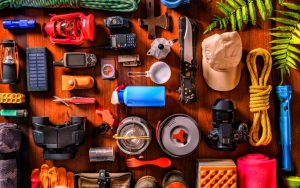
First check your Trekking equipment and Gear list for the Nepal trek, we requires careful planning and preparation of the trekking gear, including packing for the right equipment and clothing. Trekking in Nepal’s Himalayas is indeed an amazing experience, but you must be prepared for what you are going to encounter in Nepal. Trekking equipment trekking gear list for a typical multi-day trek and mountain climbing in Nepal of Himalayas, you need the following trekking gear on the below list for the trekking and mountain climbing activities.
The trip to Nepal will become a memorable one if you carry basic trekking equipment with you or hire it in Kathmandu. Check out the complete trekking equipment list and manage before you go on your trek to make sure you have everything you need. There may be a difference items from one area to another, as well as from season to season.
Things to Remember Equipment trekking and Gear Mountain climbing:
Before booking trekking and peak climbing, please carefully read this trekking gear list information and arrange it with you. The following list of the basic trekking equipment that we recommend for your trek. If not your choice on the list, those who would like an extra detailed discussion for more about the Trekking equipment list. by message on WhatsApp directly,
Planning your trip to Nepal involves considering a comprehensive trekking equipment list, essential for various types of ranging from short to long, near to far, and summer to winter expeditions. This includes equipment suitable for camping and even peak climbing adventures. Each type of trek demands specific gear tailored to the terrain, weather conditions, and duration of the trekking journey.
Knowing the right gear and equipment is essential safety and enjoyable trekking experience for you in Nepal. Whether you are a group trekker or a solo traveler, here is a comprehensive list of gear and equipment you should consider, Either, you want to trek near Kathmandu.
Footwear for Trekking:
- Trekking Boots: For high-altitude and challenging long treks, with ankle support, waterproof and breathable materials, and sturdy soles.
- Trekking Shoes: For moderate and lower altitude treks, with good traction and a lower cut.
- Hiking Sandals: For teahouse treks in milder conditions, comfortable for walking and lounging.
- Camp Shoes: Lightweight shoes or sandals for use at the campsite.
- Gaiters: For long and high passes, trek to keep debris, water, and snow out of your boots.
- Micro spikes: Enhance grip on icy trails for short treks, too, in the winter.
- Insoles and Socks: Enhance comfort and support with insoles and choose moisture-wicking socks.
wear:
- Trekking Pants: Lightweight, quick-drying pants suitable for the season and weather conditions.
- Trekking Shorts (Optional): For warmer weather or as an alternative to pants.
- Thermal or Long Underwear: Essential for cold conditions.
- Moisture-Wicking Underwear: Designed for comfort and dryness.
Body:
- Clothing Layers: Moisture-wicking base layers, insulating mid-layers, and weather-resistant outer layers.
- Trekking Pants: Lightweight and quick-drying.
- Trekking Shorts (Optional): For warmer weather.
- Thermal Underwear: Essential for cold conditions.
- Moisture-Wicking Underwear: Designed for comfort and dryness.
- Rain Jacket or Poncho: Waterproof and windproof.
- Down or Fleece Jacket: For warmth.
- Hat or Beanie: Sun protection or warmth.
- Gloves: To keep your hands warm.
- Buff or Scarf: Versatile for neck and face protection.
- Hiking Socks: Moisture-wicking and breathable.
- Hat or Beanie: Sun protection or warmth.
- Buff or Scarf: Versatile for neck and face protection.
- Sunglasses or Goggles: Essential for protecting your eyes from the sun’s glare and snow reflection.
- Warm Gloves: Insulated gloves to keep your hands warm, especially in cold conditions.
Other:
- Strong Rucksack or Large Holdall: This will be carried by porters to transport your main trekking gear.
- Day Rucksack: A smaller backpack to carry essential items personally during the trek.
- Plastic Bags or Stuff Sacks: Use these to store and separate trekking gear inside your main bag for better organization and weather protection.
- One or Two-Liter Water Bottle: To stay hydrated during the trek.
- Personal First Aid Kit: Include essential items for minor injuries and ailments.
- Sleeping Bag (4 Seasons): To keep you warm in cold conditions.
- Torch (Ideally Head Torch): Essential for lighting in the dark, especially in teahouses.
- Digital Camera: Capture memorable moments with stunning Himalayan views.
- Spare Battery and Battery Charger: Ensure you don’t miss any photo opportunities due to a dead camera battery.
- Toilet Paper: This is essential for maintaining hygiene during bathroom breaks.
- Hand Sanitizer: For hand hygiene when soap and water are not readily available.
- Towel: Compact and quick-drying for personal use.
- Toothbrush: Maintain oral hygiene during your trek.
- Large Handkerchief/Bandana: Useful for various purposes, including protecting your neck from the sun.
Optional:
- Binoculars: For bird-watching or enjoying distant views of the Himalayan landscape.
- Books: Reading material for relaxation during downtime at teahouses or campsites.
- Altimeter: Helps you track your altitude and can be a valuable tool for monitoring your ascent.
- Compass: Useful for general navigation and orientation.
- Headlamp: A good-quality headlamp with extra batteries is essential for safely navigating trails in the dark.
- Playing Cards/Backgammon/Chess Set: For entertainment during evenings at teahouses or campsites.
Having the right Nepal trekking gear is crucial for a successful and comfortable trekking experience. This equipment list covers all the basic trekking equipment you need to ensure you are well-prepared for the adventure.
Seasonal equipment list:
When planning for trekking in different seasons, it’s important to adapt your equipment to the specific weather conditions and challenges you might face. Tailoring your gear to the specific season will help ensure your safety and comfort while trekking. Always check the weather forecast and trail conditions before heading out, and adjust your gear accordingly. Here’s a detailed equipment list for each season:
Summer June to August:
Summer is the monsoon season in Nepal, characterized by heavy rainfall and muddy trails. Proper rain gear essential during this time.
Basic Equipment:
- Trekking Gear:
- Waterproof trekking boots
- Quick-drying synthetic clothing
- Waterproof and breathable rain jacket and pants,
- if you prefer something lightweight and simple, especially for lower altitudes or less challenging terrain
- Gaiters to keep mud and leeches out of your boots
- Wide-brimmed hat for sun and rain protection
- Trekking poles with rubber tips for slippery conditions
- Waterproof backpack cover
- Dry bags or waterproof stuff sacks
- Insect repellent and leech socks
- Water purification tablets or a filter
- Snacks that won’t melt in the heat
- An extra pair of dry socks
Autumn September to November:
Autumn is considered the best trekking season in Nepal due to stable weather, clear skies, and moderate temperatures. Trails are typically dry, and conditions are favorable.
Equipment Needs:
- Hydration system (water bottles or hydration bladder)
- High-energy snacks
- First aid kit
- Map and compass or GPS device
- Multi-tool or knife
- Headlamp with extra batteries
- Personal identification and permits
Winter December to February:
Winter trekking in Nepal requires special preparation for cold temperatures and potential snowfall, especially at higher altitudes.
Basic Equipment:
-
Trekking Gear:
- Insulated, waterproof trekking boots
- Thermal base layers
- Heavyweight insulating layers (down jacket)
- Waterproof and windproof outer layers
- Thermal trekking pants
- Warm hat, gloves, and neck gaiter
- Sunglasses with UV protection
- Trekking poles
- Daypack with rain cover
Equipment Needs:
- Hydration system (insulated water bottles to prevent freezing)
- High-energy snacks that won’t freeze
- Emergency shelter or bivvy bag
- First aid kit with blister treatment
- Map and compass or GPS device
- Multi-tool or knife
- Headlamp with extra batteries
- Personal identification and permits
Always remember that having the right trekking gear and equipment will enhance your trekking experience, ensuring you are prepared for any situation.
Why trekking equipment lists are important?
In Nepal. he Trek and Mountain equipment lists are crucial for several reasons, ensuring safety, comfort, and preparedness in various conditions. Here main reasons why having a detailed trekking equipment list is necessary:
Safety:
Weather Protection:
Proper clothing and gear protect you from the elements, such as rain, wind, snow, and extreme temperatures.
Equipment like waterproof jackets, insulated layers, and sun protection prevents hypothermia, heatstroke, and sunburn.
Navigation and Emergency Preparedness:
Maps, compasses, and GPS devices help you navigate and avoid getting lost.
First aid kits, emergency shelters, and communication devices (like a whistle or satellite phone) prepare you for unexpected situations.
Find Your Trip

I did Dhaulagiri Trek in 20 September to 7 October 2018, we were 8 person a group, Thank you so very much for a most spectacular trip. I also appreciate your heartfelt concern when I wasn't feeling so well the night you took us out to dinner. I will always wish that you continued success with your wonderful and most organized company. Without a doubt, I would recommend Himalayanrandonner to anyone + everyone. The personal quality is outstanding. Thank you once again for everything.
Jean Pierre ( France)

We had The best experience with Himalayanrandonner Guide it was Very helpful with putting together a tour and trekking after our needs. Great service before we got there, and all the way. Guide and his staff are the best. We recommend this agency to everyone. We would choose them again. Personal, Professional, Friendly and Service minded.
Pafou faque (France)

It was the first time in Nepal, It was trek in 8 March 2018.
We booked a trekking trip to Manaslu circuit by mail. Kas Gurung has been really kind from the beginning. He always answered firstly to our questions and adjusted the journey basing on our needs and requests. Everything was organized perfectly. The whole team was somewhat more than professional. They were also really friendly and helpful in every situation.
Special thanks to Guide for his excellent work which has allowed us at all times to feel comfortable. Always smiling, guide! The love for his country and culture was contagious! showing us beautiful places and curiosities of Nepali lifestyle. We absolutely recommend him as an experienced guide and as a great friend,
Martine Maurel (France)

We did Khopra Hill Trekking Annapurna 13 days. in 8 February 2017, It is fantastic view point and beautiful forest and peoples, Good guide and service mind assistance guide and porters. Our group has booked with this agency many times for our visits. We are happy with them. and his team can support you. We will definitely book next trip with them too.


